
Skip to main content
‘Lilith Fair: Building A Mystery’ Director Looks Back On Groundbreaking ’90s Fest & Think Time Is Right For Its Comeback – Contenders TV: Docs + Unscripted
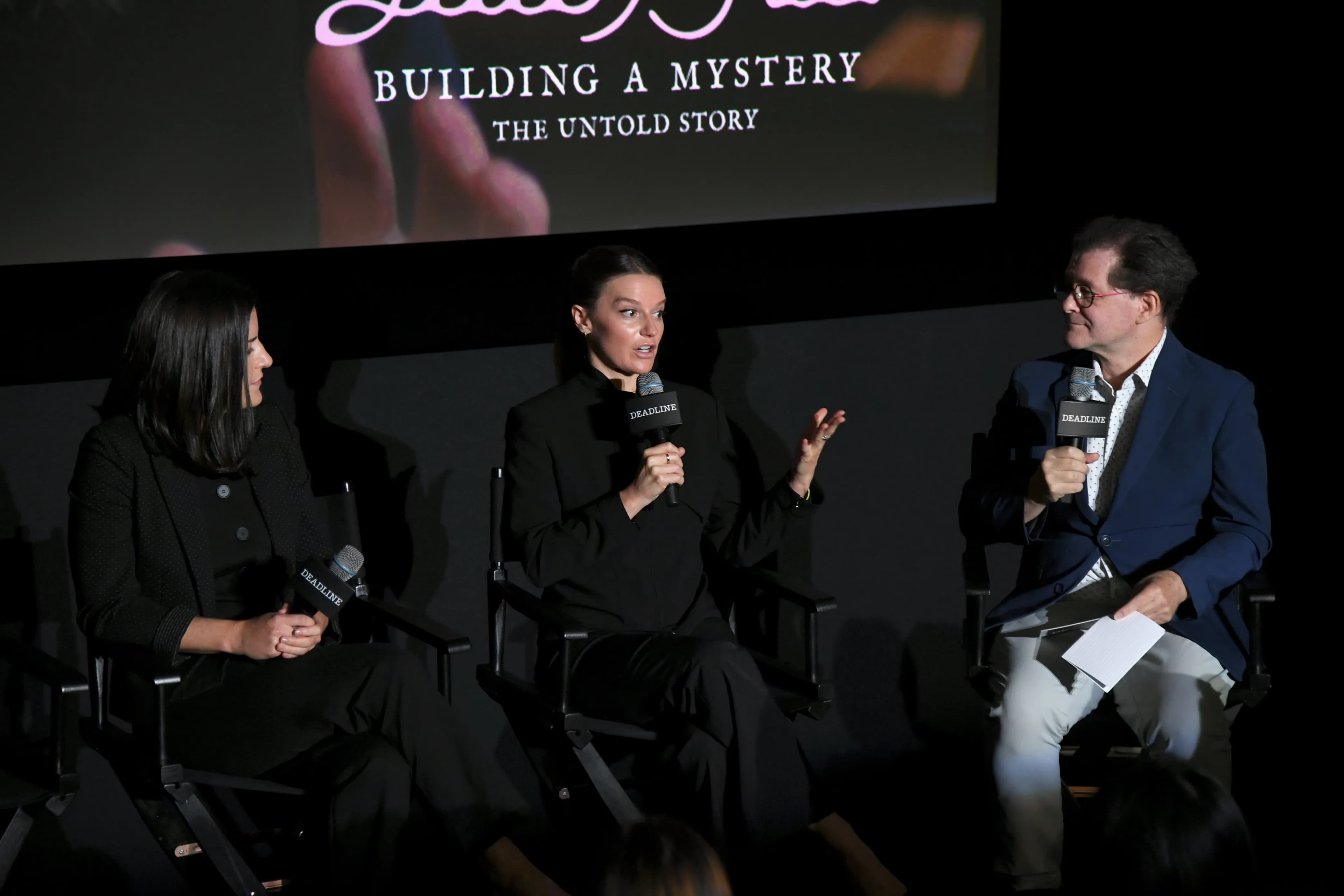
The popularity of the female-led ’90s-era musical festival Lilith Fair was enough to tell the story behind its origins, Ally Pankiw, director of the Hulu documentary Lilith Fair: Building a Mystery, explained at Deadline’s Contenders Television: Documentary panel, but even more importantly, “it was also the first time that someone had really stood up to some of the myths and lies that were being told to women and diverse artists in the music industry.”
Female artists, even some of the most successful ones of that decade were told “if we play two women back-to-back on the radio, they’ll change the channel,” Pankiw revealed, describing how some of the leading women in the era’s music industry banded together set out to disprove the narrative they were being told. “Even if you’re Sheryl Crow, you can’t decide to have a female opener because of the tour promoters and people funding the tours and people wouldn’t buy tickets. And Sarah [McLachlan] just realized, because she’s a remarkable person, ‘I think that’s a lie. I just think that’s untrue.’ And so she set out to prove it wrong. And I think anytime a power-system structure is proven wrong, it’s an important thing to document.”
Pankiw felt a personal investment in the story of Lilith Fair as well. “A big reason I wanted to make this doc was because I was doing a lot of unlearning in my own life about what that specific era of misogyny and homophobia and racism of the ’90s and early 2000s kind of taught me about myself. And this doc was a large part of that and an important part of continuing that unlearning.”
**
Source: deadline.com