
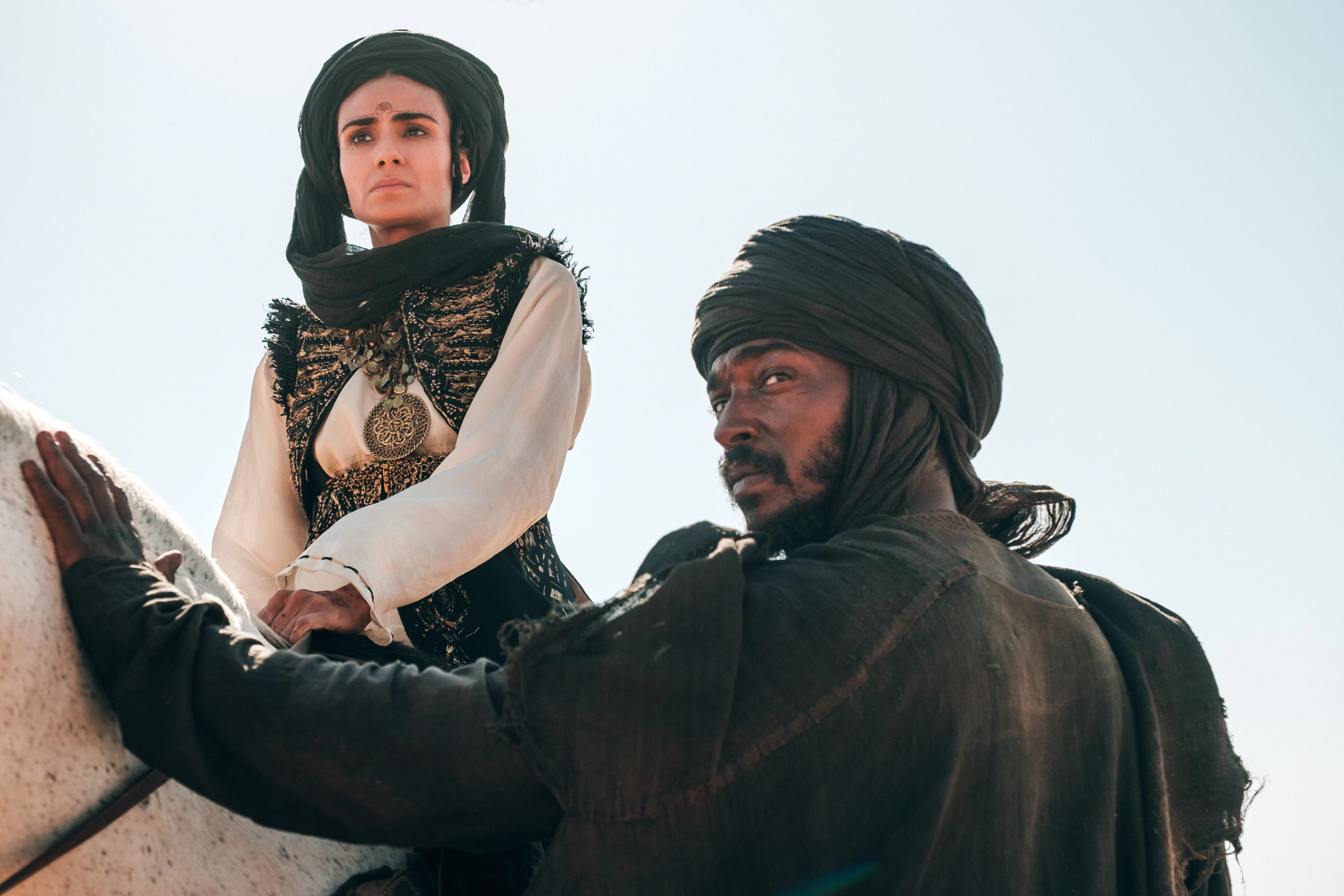
In 2018, Saudi Arabia removed its religious ban on cinema and revealed its intentions to transform itself from an oil-based economy into an entertainment powerhouse. The goal was to use the country’s wealth to not only invest in media companies, but to lure studios to the kingdom through a combination of tax incentives and state-of-the art facilities, while developing its own national film business. Eight years later, however, Saudi Arabia’s moviemaking ambitions have yet to materialize, stunted by regional turmoil and a failure to recognize what audiences want. Related Stories Margo Price, Brandi Carlile, I'm With Her, S.G. Goodman Score Multiple Nominations for Americana Honors & Awards
At Cannes this year Saudi Arabia does not have any movies, unlike two years ago when it scored its first official selection slot with Tawfik Alzaidi’s “Norah,” an arthouse drama about artistic expression during the repression of the 1990’s that didn’t get much traction.
Hollywood, meanwhile, is beginning to move past the backlash caused by the grisly murder of U.S.-based journalist Jamal Khashoggi at the Turkish Embassy in 2018, which was attributed by U.S. intelligence officials to Saudi agents acting on orders of Crown Prince Mohammed bin Salman. The Saudi government denies involvement of its top leadership.
According to Saudi film industry trailblazer Rasha AlEmam, who served as line producer on “Desert Warrior,” the Paramount-Warner Bros. deal “will position Saudi as a stakeholder in [Hollywood] content creation and distribution.” AlEmam, who is CEO of Saudi Arabia’s Yellow Camel Studios and is in Cannes to lure international productions, is confident that, thanks to the deal, U.S. studios will now be “less reluctant” to come shoot movies in Saudi. “It can help bridge the gap,” she says.
“The Saudi film industry is on a learning curve,” says Egypt-based film analyst Alaa Karkouti and distributor, who runs the Arab Cinema Center at Cannes. “But there are signs pointing in the right direction,” Karkouti adds, noting that “They are starting to realize that it’s not about spending crazy money.”
Indeed, the “Desert Warrrior” debacle raises a bigger question about capital allocation in the Saudi market. The kingdom’s upcoming slate includes other examples of its free-spending ways, starting with Belgian and Moroccan directorial duo Adil El Arbi and Bilall Fallah’s upcoming action thriller “7 Dogs,” which shot in the desert outside of Riyadh earlier this year on an official budget of $40 million that is believed to have ballooned to $70 million. Its current claim to fame is that “7 Dogs” clinched the Guinness World record for the “largest film stunt explosion in the history of cinema” beating previous record holders “No Time To Die” (2021) and “Spectre” (2015). It’s unclear if all those pyrotechnics will help “7 Dogs,” which releases regionally on May 27, become a box office success on the level of those two films.
“There is clearly ambition, which is positive, but the current model is high risk and not necessarily aligned with how sustainable industries are typically built, particularly at a time when there are already signs of pressure on rebates and overall liquidity in the system,” said an Arab industry expert.
Faden thinks that these type of idiosyncratic movies are what can help Saudi Arabia’s nascent film industry mature into a global player.
Source: variety.com